Browse Eyewear
Five Warning Signs You May Need Glaucoma Treatment in Scottsdale

Glaucoma is one of the leading causes of irreversible vision loss worldwide. Often referred to as the “silent thief of sight,” glaucoma can develop gradually without noticeable symptoms during its early stages. As the disease progresses, damage to the optic nerve may become permanent, making early detection and treatment critical for preserving vision.
Because glaucoma frequently develops without pain or obvious warning signs, many people are unaware they have the condition until significant vision loss has already occurred. Understanding the symptoms that may indicate glaucoma can help you seek professional care before permanent damage occurs.
If you are experiencing changes in your vision or have risk factors for glaucoma, scheduling an evaluation for Glaucoma Treatment Scottsdale may help protect your long-term eye health and vision.
What is Glaucoma?
Glaucoma is a group of eye diseases that damage the optic nerve, which is responsible for transmitting visual information from the eye to the brain. This damage is often associated with elevated intraocular pressure (IOP), although glaucoma can also occur in individuals with normal eye pressure.
Over time, untreated glaucoma can lead to progressive vision loss and, in severe cases, blindness. While vision loss caused by glaucoma cannot typically be reversed, early diagnosis and treatment can help slow or prevent further damage.
According to the American Academy of Ophthalmology, regular comprehensive eye examinations are one of the most effective ways to detect glaucoma before significant vision loss occurs.
Why Early Detection Matters
One of the biggest challenges with glaucoma is that symptoms often do not appear until optic nerve damage has already begun.
Routine eye examinations enable eye care professionals to monitor intraocular pressure, assess the optic nerve, evaluate peripheral vision, and identify early warning signs before noticeable symptoms develop.
For residents seeking Glaucoma Treatment Scottsdale, recognizing the following warning signs can help prompt timely evaluation and intervention.
1. Gradual Loss of Peripheral Vision
One of the hallmark signs of glaucoma is the gradual loss of peripheral, or side, vision.
Many patients do not immediately notice these changes because central vision often remains clear during the early stages of the disease. Over time, however, peripheral vision loss may become more pronounced and begin to affect daily activities.
You may notice:
- Difficulty seeing objects to the side
- Frequently bumping into objects
- Trouble navigating crowded spaces
- Reduced awareness of surroundings
Because these changes often occur slowly, many individuals adapt without realizing their vision is narrowing.
Comprehensive glaucoma evaluations can identify peripheral vision loss long before it significantly impacts daily life.
2. Blurred Vision
Blurred vision can occur for many reasons, including refractive errors, cataracts, and glaucoma.
In some cases, elevated eye pressure associated with glaucoma may affect visual clarity. Patients may notice intermittent blurring or difficulty focusing on objects.
Blurred vision should never be ignored, especially if it occurs alongside other symptoms such as eye discomfort or visual disturbances.
While occasional blurriness does not automatically indicate glaucoma, it warrants a professional eye examination to determine the underlying cause.
Individuals seeking Glaucoma Treatment Scottsdale should promptly report any changes in visual clarity to their eye care provider.
3. Seeing Halos Around Lights
Halos around lights can be another warning sign of glaucoma, particularly in cases involving elevated intraocular pressure.
Patients may notice:
- Rainbow-colored rings around lights
- Increased glare during nighttime driving
- Difficulty seeing clearly in low-light conditions
- Unusual visual disturbances around bright light sources
Although halos can also occur with cataracts and other eye conditions, persistent symptoms should be evaluated by an eye care professional.
Early diagnosis allows for timely intervention and improved management of glaucoma-related vision changes.
4. Eye Pain or Pressure
Most forms of open-angle glaucoma develop gradually and typically do not cause pain. However, certain types of glaucoma, including acute angle-closure glaucoma, may produce sudden and severe symptoms.
These symptoms can include:
- Intense eye pain
- Headaches
- Eye redness
- Nausea or vomiting
- Sudden vision changes
Acute angle-closure glaucoma is considered a medical emergency and requires immediate treatment to prevent permanent vision loss.
Any sudden onset of severe eye pain should be evaluated promptly by an eye care professional.
Patients seeking Glaucoma Treatment Scottsdale should understand that urgent symptoms require immediate medical attention.
5. Difficulty Adjusting to Low Light
Healthy eyes can adapt relatively quickly when moving between bright and dark environments.
Individuals with glaucoma may experience increasing difficulty adjusting to changes in lighting conditions. This can make nighttime driving, walking through dimly lit areas, or transitioning between indoor and outdoor environments more challenging.
Symptoms may include:
- Reduced night vision
- Increased sensitivity to glare
- Slower adaptation to darkness
- Difficulty identifying objects in low-light settings
Although these symptoms can occur with several eye conditions, they should be evaluated as part of a comprehensive eye examination.
Risk Factors for Glaucoma
While anyone can develop glaucoma, certain factors increase the risk.
Common risk factors include:
- Age over 60
- Family history of glaucoma
- Elevated intraocular pressure
- Diabetes
- High blood pressure
- Thin corneas
- Previous eye injuries
- Long-term corticosteroid use
Individuals with one or more risk factors should prioritize regular eye examinations, even if they are not experiencing symptoms.
How Is Glaucoma Diagnosed?
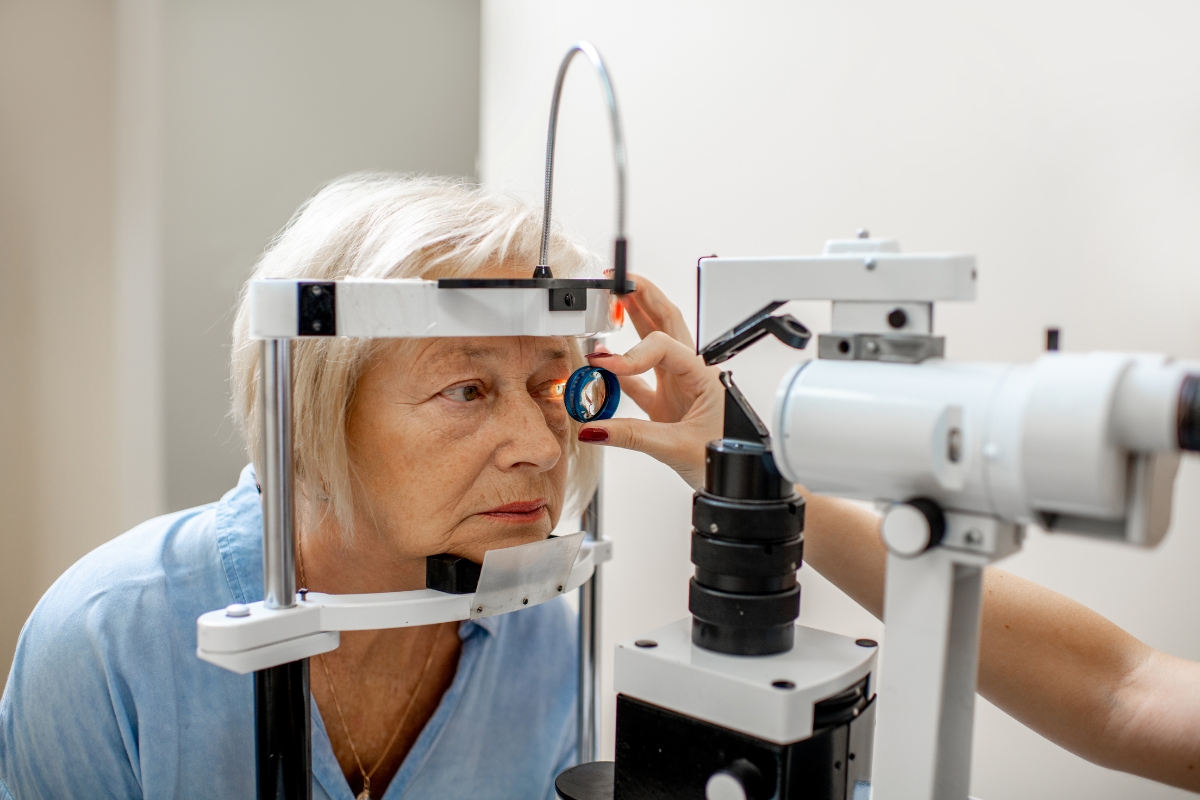
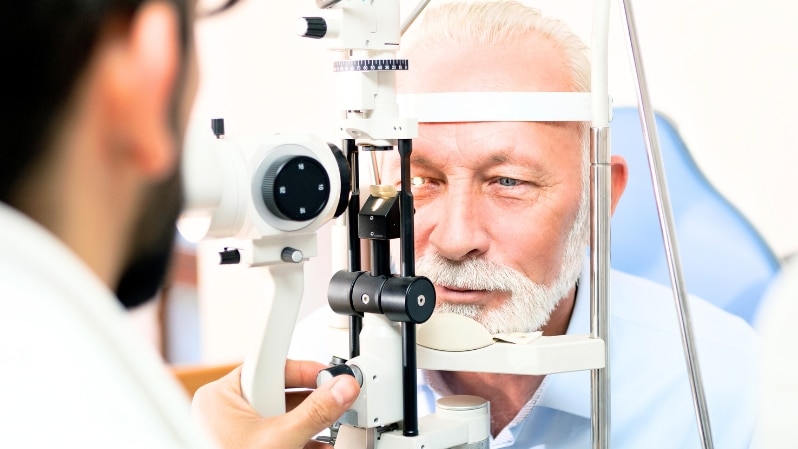
Comprehensive glaucoma evaluations typically include several diagnostic tests designed to assess eye health and identify early signs of optic nerve damage.
These tests may include:
- Measurement of intraocular pressure
- Optic nerve evaluation
- Visual field testing
- Corneal thickness measurements
- Retinal imaging
- Gonioscopy when appropriate
These assessments help determine whether glaucoma is present and guide treatment recommendations.
According to the American Academy of Ophthalmology, regular comprehensive eye examinations are one of the most effective ways to detect glaucoma before significant vision loss occurs.
Treatment Options for Glaucoma
Although glaucoma cannot typically be cured, treatment can help slow disease progression and preserve remaining vision.
Depending on the type and severity of glaucoma, treatment options may include:
Prescription Eye Drops
Medicated eye drops are often the first line of treatment and help reduce eye pressure.
Laser Therapy
Laser procedures may improve fluid drainage within the eye and help lower intraocular pressure.
Surgical Procedures
In some cases, surgery may be recommended to create new drainage pathways and better control eye pressure.
The most appropriate treatment plan depends on each patient’s individual condition and needs.
Protecting Your Vision Through Regular Eye Care
The best defense against glaucoma-related vision loss is early detection.
Routine comprehensive eye exams provide an opportunity to identify changes before noticeable symptoms develop. Even individuals who believe their vision is healthy can benefit from regular evaluations.
For patients considering Glaucoma Treatment Scottsdale, ongoing monitoring and timely intervention can play a critical role in preserving vision and maintaining quality of life.
Conclusion
Glaucoma often develops without obvious symptoms, making awareness and preventive care essential. Gradual peripheral vision loss, blurred vision, halos around lights, eye pain, and difficulty adjusting to darkness may all signal the need for professional evaluation.
Early diagnosis and appropriate treatment can help slow disease progression and protect long-term vision. If you notice any of these warning signs or have risk factors for glaucoma, scheduling an eye examination can be an important step toward safeguarding your eye health.
Frequently Asked Questions
1. What is the most common early symptom of glaucoma?
Many people experience no noticeable symptoms in the early stages. Peripheral vision loss is often one of the first detectable signs.
2. Can glaucoma be cured?
Currently, glaucoma cannot typically be cured. However, treatment can often slow or prevent further vision loss.
3. How often should I be screened for glaucoma?
The appropriate screening schedule depends on age, risk factors, and medical history. Your eye care provider can recommend an individualized plan.
4. Is glaucoma hereditary?
Family history is a significant risk factor. Individuals with close relatives who have glaucoma may have a higher risk of developing the condition.
5. What happens if glaucoma is left untreated?
Untreated glaucoma can cause progressive optic nerve damage, leading to permanent vision loss and, in severe cases, blindness.