Browse Eyewear
Optometrist vs. Ophthalmologist: Which One Should Scottsdale Patients See First?

Most people have seen both terms on provider lists and clinic signs – optometrist, ophthalmologist, and assumed they were largely interchangeable. They’re not. The distinction between the two matters practically when you’re trying to figure out who to call about blurry vision, a sudden eye problem, or a prescription update. Choosing the wrong type of provider doesn’t mean you’ll get bad care, but it can mean a referral, a second appointment, or a delay in getting what you actually need.
The good news is that the difference is simple once you break it down. And for most routine eye care situations, the answer to “who should I see first” is the same across the board.
The Core Difference Between Optometrists and Ophthalmologists
Both are licensed eye care professionals, and both can examine your eyes, identify problems, and prescribe corrective lenses. The distinction lies in training, scope of practice, and the types of conditions each one is best positioned to treat.
An optometrist in Scottsdale holds a Doctor of Optometry (OD) degree, which follows four years of optometry school after an undergraduate program. Optometrists are licensed to perform comprehensive eye exams, prescribe glasses and contact lenses, diagnose and manage a wide range of eye conditions, and, in most states, including Arizona, prescribe medications for eye disease.
An ophthalmologist, by contrast, is a medical doctor (MD or DO) who completed four years of medical school, followed by a hospital-based residency in ophthalmology, and in many cases, an additional subspecialty fellowship. Ophthalmologists perform surgery – cataract removal, LASIK, retinal procedures, and glaucoma surgery and manage complex or advanced eye disease that requires surgical or highly specialized medical intervention.
The practical takeaway: optometrists handle the vast majority of what most patients need on any given visit. Ophthalmologists are the appropriate choice when surgery or subspecialty care is required.
What an Optometrist Can Help You With
The scope of what an optometrist manages is broader than many patients realize. Routine eye exams are the obvious ones, but that’s just the starting point. Here’s what typically falls within an optometrist’s scope:
- Comprehensive eye exams that assess both vision acuity and overall eye health
- Prescriptions for eyeglasses and contact lenses, including specialty fits like toric lenses for astigmatism
- Detection and monitoring of eye conditions like glaucoma, macular degeneration, diabetic retinopathy, and dry eye disease
- Diagnosis and treatment of eye infections, including bacterial conjunctivitis and corneal abrasions
- Co-management of surgical patients, providing pre- and post-operative care around procedures performed by an ophthalmologist
For children, adults, and older patients managing chronic conditions like diabetes or high blood pressure that affect the eyes, an optometrist is the right primary eye care provider. Annual eye exams with an optometrist catch changes in vision and early signs of systemic disease that might otherwise go undetected for years.
When an Ophthalmologist Is the Right Call
Ophthalmologists step in when conditions progress beyond what medical management can address, or when surgical intervention is the appropriate treatment. You’d typically be referred to an ophthalmologist for:
- Cataract surgery is recommended once the cataract significantly affects your daily vision
- LASIK or other refractive surgeries to correct nearsightedness, farsightedness, or astigmatism
- Retinal conditions like retinal detachment, macular holes, or proliferative diabetic retinopathy that require laser treatment or surgery
- Glaucoma management when medications are no longer controlling intraocular pressure and surgical options are being considered
- Eyelid surgery (blepharoplasty) for functional or structural problems affecting vision
In most cases, the referral pathway runs from your optometrist to an ophthalmologist — not the other way around. Your optometrist identifies the condition, manages it where appropriate, and refers when the situation warrants specialist involvement. This is the model most patients move through, and it works well when the primary care relationship with an optometrist is established from the start.
So, Which Provider Should Scottsdale Patients See First?
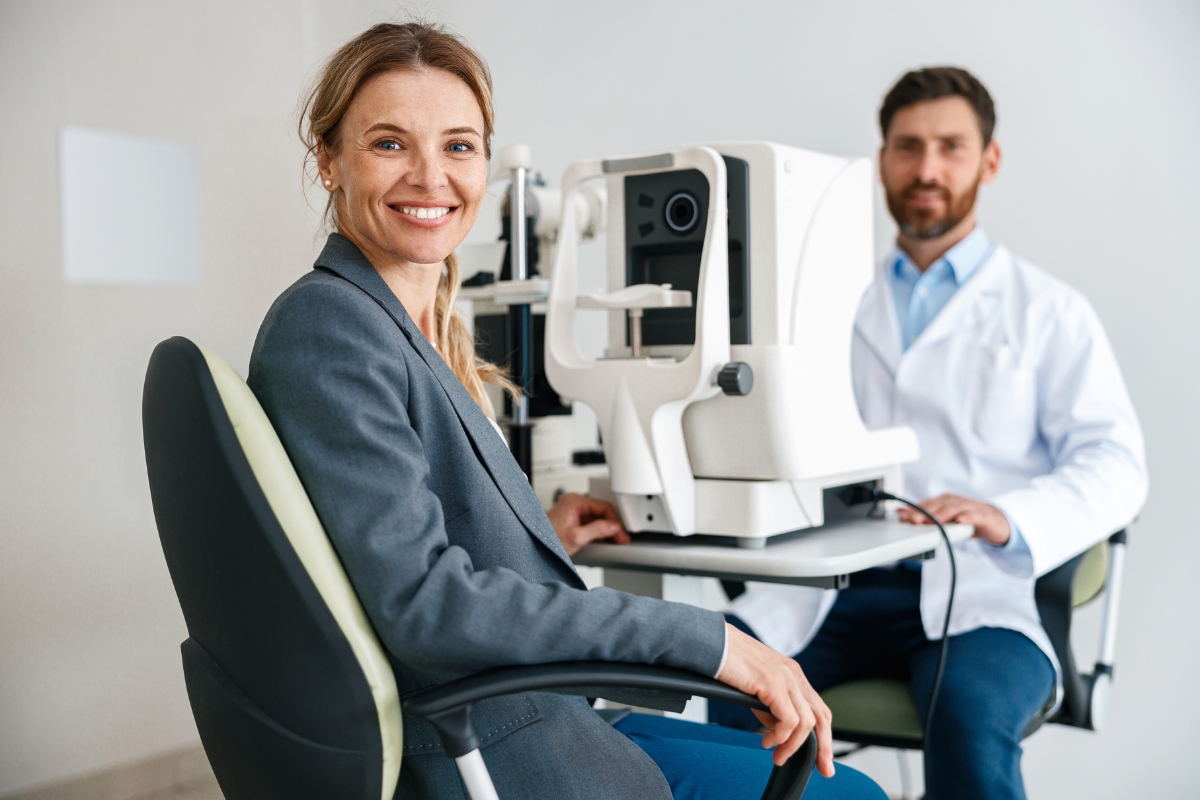
For the overwhelming majority of eye care needs — annual exams, new prescriptions, managing a chronic condition, or evaluating a new symptom — an optometrist is the right first call. They can handle the visit completely, or they can identify whether a referral to an ophthalmologist is warranted. Either way, starting with an optometrist efficiently puts you in the right part of the system.
The exception is an acute surgical situation. A sudden retinal detachment, for example, warrants immediate referral to an ophthalmologist or an emergency eye clinic. But for everything else that doesn’t involve immediate surgery, the optometrist is where your eye care should begin.
Keeping up with your eye health doesn’t have to be complicated. A comprehensive annual exam gives you a clear picture of your vision, your eye health, and your risk for conditions that develop gradually. Patients searching for a reliable optometrist in Scottsdale who takes the time to explain what’s happening in their eyes, not just hand you a prescription and move on, will find a different experience here.
Scottsdale Eyeology is accepting new patients – visit our Scottsdale office or call to book your appointment.
People Also Ask
Q1: Can an optometrist treat glaucoma?
Yes. In Arizona, optometrists are licensed to diagnose and manage glaucoma, including prescribing pressure-lowering eye drops. If the condition progresses to the point where surgery is needed, your optometrist will refer you to an ophthalmologist who specializes in glaucoma procedures.
Q2: Do I need a referral to see an ophthalmologist?
Not always, but it depends on your insurance plan. Many patients are referred by their optometrist after a condition is identified that requires surgical or highly specialized care. In urgent situations, such as a suspected retinal detachment, you can go directly to an ophthalmologist or an emergency eye clinic without a referral.
Q3: How often should adults get a comprehensive eye exam?
The American Optometric Association recommends annual eye exams for adults over 18. Those with risk factors like diabetes, a family history of glaucoma, or high myopia may need more frequent monitoring. Children should be examined at least once before starting school and regularly throughout their school years.
Q4: Can an optometrist detect signs of diabetes during an eye exam?
Yes. Diabetic retinopathy — damage to the blood vessels in the retina caused by high blood sugar — is detectable during a dilated eye exam before symptoms appear. This is one reason annual exams are important for patients with diabetes, even when their vision appears unchanged.