Browse Eyewear
How Can You Manage Allergic Conjunctivitis in Spring?
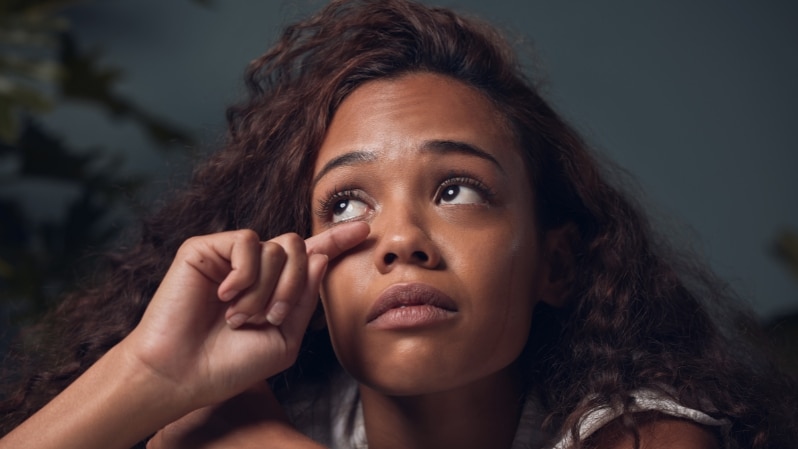
Spring is a lovely season, but it also carries its negative side. It increases the level of allergens. During spring, a common condition is allergic conjunctivitis, better known as eye allergies. The irritation of the eyes by various tree top grass and weed pollen causes redness, itching, and tearing. Days are getting windy, so combined with a rise in outdoor allergens, symptom management is highly challenged.
This blog will take you through some simple, effective ways to minimize discomfort from allergic conjunctivitis this spring and how one can find relief through the use of dry eye treatment options.
Understanding Allergic Conjunctivitis
Allergic conjunctivitis is the inflammation of the conjunctiva membrane covering the eyes due to allergens. This results in symptoms such as itching, redness, and excessive tearing.
Spring brings on a lot more pollen and dust. Wind sweeps all those allergens through the air, and people spend more time outdoors, further exposing their eyes to irritants.
People with seasonal allergies, asthma, or sensitive eyes are more likely to have allergic conjunctivitis during the spring.
Common Triggers During Spring
• Tree, Grass, and Weed Pollen
These allergens are common in the spring and make the eyes itch and water.
• Outdoor dust and pollutants
During the season, the dust and pollutants in the air can also initiate irritation of the eye.
• Pet Dander
With open windows, pet dander becomes a major irritant, particularly to sensitive eyes.
• Mold spores
Mold is found in damp areas and emits spores into the air, which cause eye irritation.
Each of these allergens adds to the discomfort during the spring season.
Early Signs You Shouldn’t Ignore
Common symptoms of allergic conjunctivitis include redness, chronic itching, and tearing. Other possible symptoms you might experience include a sticky or watery discharge in the eyes, swelling around the eyes, or sensitivity to light.
These symptoms are somewhat different from other conditions, such as infections that may cause pink eye. If symptoms worsen or do not improve with basic care, seek medical attention.
Practical Ways to Manage Allergic Conjunctivitis in Spring
Reduce Allergen Exposure
On high-pollen days, keep the windows closed. Use air purifiers to filter out allergens inside. Wear sunglasses outside to help protect your eyes from pollen. Shower and change clothes after being outdoors.
Home Remedies That Help
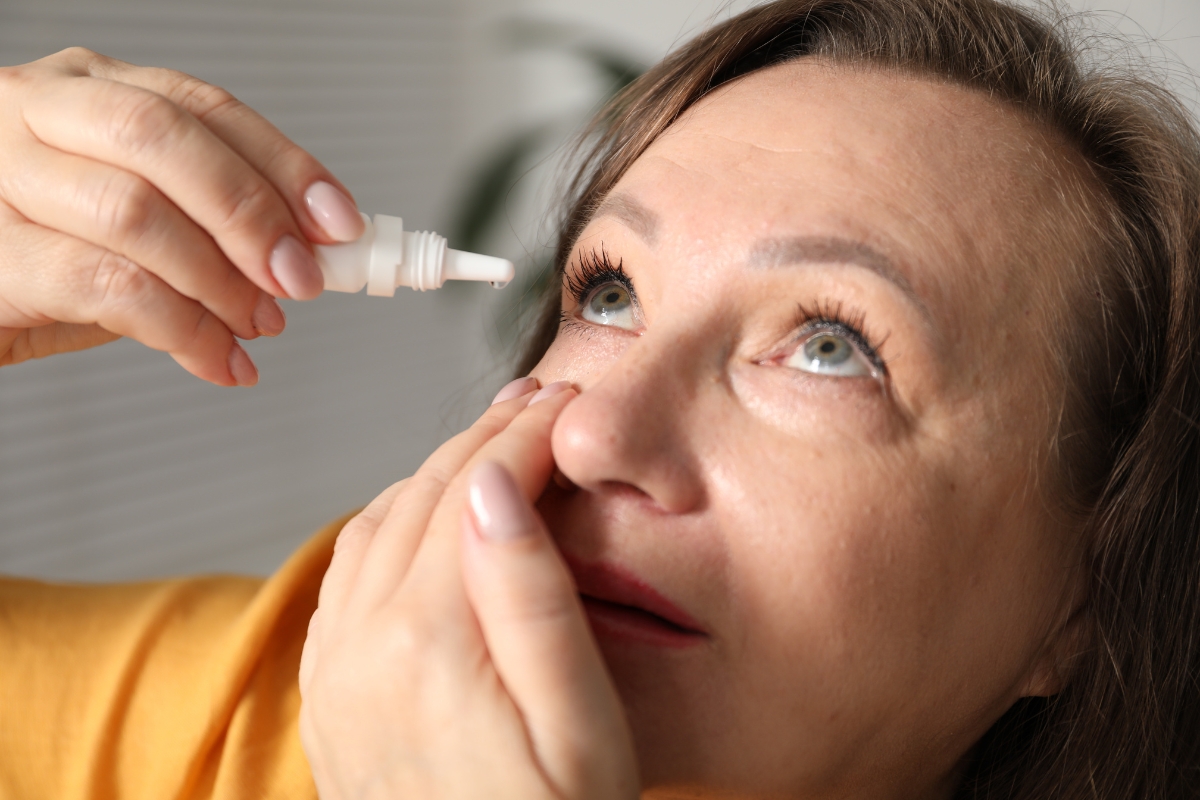
Cold compresses will help soothe swollen, irritated eyes. Use artificial tears to flush out allergens and provide moisture. Avoid rubbing your eyes, which can worsen the irritation. Gently clean your eyelids to remove pollen or dust.
Medical Treatments
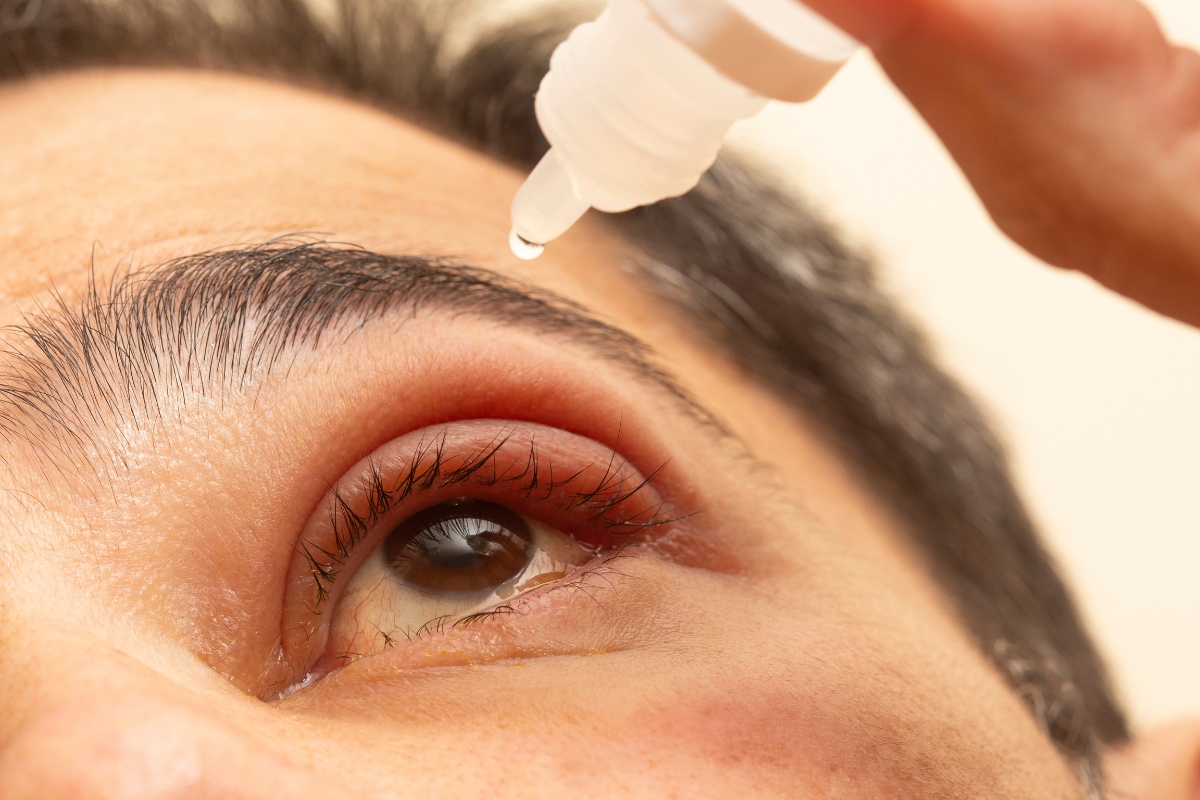
Antihistamine eye drops reduce itching and redness. Mast-cell stabilizers prevent allergic reactions. Oral antihistamines provide symptom relief from allergies in general.
If necessary, seek dry eye treatment in Scottsdale for better relief.
Lifestyle Changes That Make Spring Easier
Track the daily pollen counts to minimize outdoor exposure. Avoid early morning activities outdoors when pollen counts are higher.
Keeping pets clean can reduce indoor allergens. Wash your bedding and pillowcases frequently to get rid of pollen. Consider hypoallergenic makeup or avoid wearing eye makeup during flare-ups.
When to See an Eye Doctor
If symptoms don’t improve with home care or if severe pain, blurred vision, or infectious-appearing discharge develops, see an eye doctor. If over-the-counter treatments or dry eye treatment in Scottsdale drops don’t relieve symptoms or symptoms recur each spring, professional consultation provides individualized solutions.
Precautionary Measures for Next Spring
Start medications for dry eye treatment in Scottsdale earlier in the season to prevent flare-ups. Improve indoor air filtration through the use of allergen-reducing HEPA filters.
Build a proper eye-care routine for all-year-round protection of your eyes. Long-term dry eye treatment options should be discussed with the eye doctor to manage the symptoms effectively.
It is possible to manage allergic conjunctivitis this spring with an appropriate approach. By minimizing exposure to allergens, using home remedies, and seeking medical interventions, you can reduce symptoms.
With ocular solutions that address dry eye treatment and frequent care, you will go into the season without suffering eye irritation all the time. If symptoms linger or worsen, personalized care from us may help provide long-term relief.
FAQs
Can stress worsen allergic conjunctivitis symptoms?
Stress can weaken the immune system, potentially making allergic reactions more severe. Managing stress through relaxation techniques may help reduce symptoms.
Can I wear contact lenses during an allergic conjunctivitis flare-up?
It’s best to avoid wearing contact lenses during a flare-up as they can irritate the eyes further. Consult your doctor for alternatives.
Is there a specific time of day when symptoms worsen?
Symptoms often worsen in the morning or during windy days when pollen counts are highest.
How can I clean my eyelids to reduce allergens?
You can gently clean your eyelids with a damp washcloth or eyelid wipes specifically designed for eye care.
Should I keep my pet indoors to reduce allergic conjunctivitis symptoms?
If you’re sensitive to pet dander, it may help to keep your pets indoors, especially during high pollen seasons.