Browse Eyewear
Why Is My Vision Suddenly Blurry? Causes and When to See an Eye Doctor
What Does Sudden Blurry Vision Mean?
Clear vision helps you read, drive, work, and carry out everyday activities. When your vision suddenly becomes blurry, even familiar tasks can become difficult. You might notice that objects look hazy, text appears out of focus, or one eye sees less clearly than the other.
Sudden blurry vision can have several causes. It may be associated with dry eyes, contact lens-related irritation, or changes in blood sugar. However, it can also signal a serious eye condition that requires urgent medical attention.
The speed of onset matters. Vision that gradually becomes less clear over several months is different from a sudden change that develops within minutes or hours. Sudden blurry vision should never be ignored, even if your sight improves on its own. Seek urgent medical evaluation instead of waiting for a routine eye appointment.
Understanding the possible causes and recognizing warning signs can help you make informed decisions about your eye health and seek appropriate care without unnecessary delays.
What Causes Sudden Blurry Vision?
Blurry vision is a symptom, not a diagnosis. Identifying its underlying cause is essential because the appropriate treatment depends on the condition affecting your eyes. Some causes are relatively common, while others may require immediate medical attention.
1. Dry Eyes
Your tears help keep the surface of your eyes smooth and lubricated, allowing light to enter the eye properly. When your eyes do not produce enough tears or the tears evaporate too quickly, the tear film can become unstable and cause fluctuating or blurry vision.
Other symptoms of dry eyes may include burning, redness, irritation, excessive watering, and a gritty sensation. You may notice these symptoms more often when using digital screens or spending time in dry, windy environments.
Blurriness associated with dry eyes may temporarily improve after blinking. However, do not assume that sudden or persistent vision changes are caused by dryness alone. Seek professional evaluation to determine the cause.
2. Changes in Your Vision Prescription
Refractive errors, including nearsightedness, farsightedness, and astigmatism, can make objects appear out of focus. An outdated glasses or contact lens prescription may cause squinting, eye strain, headaches, or difficulty seeing clearly at certain distances.
Changes in vision can develop gradually as your eyes change over time. However, a sudden change should not automatically be attributed to your prescription.
An eye care professional can assess your vision and determine whether a refractive error explains your symptoms or whether another eye condition requires attention.
3. Cataracts
Cataracts develop when the eye’s natural lens becomes cloudy, making it harder for light to pass through clearly. They commonly cause gradually worsening blurry or hazy vision, increased sensitivity to glare, faded colors, and difficulty seeing while driving at night.
Cataracts typically develop over time rather than causing sudden changes in vision. If your sight becomes blurry unexpectedly, do not assume cataracts are responsible. A timely eye examination can help identify the cause and determine whether treatment is necessary.
4. Retinal Problems
The retina is the light-sensitive tissue at the back of your eye that helps convert light into visual signals. A retinal tear or retinal detachment can cause sudden changes in vision and may threaten sight if not treated promptly.
Warning signs can include new floaters, flashes of light, a dark shadow, or a curtain-like area across part of your field of vision. You may also experience a sudden reduction in vision.
These symptoms require immediate medical evaluation. If you notice them, seek emergency eye care rather than waiting for a routine appointment. Prompt assessment is important because timely treatment may help protect your vision.
5. Glaucoma
Glaucoma refers to a group of eye conditions that damage the optic nerve. Some forms develop gradually and may not cause noticeable symptoms in the early stages. Other forms can produce sudden, severe symptoms.
Acute angle-closure glaucoma is a medical emergency. Symptoms may include sudden blurry vision, severe eye pain, headache, nausea, vomiting, and halos around lights.
If these symptoms develop, seek emergency medical care immediately. Do not wait for the symptoms to resolve or attempt to manage them with home remedies.
6. Diabetes or Blood Sugar Changes
Changes in blood sugar levels can affect the eye’s ability to focus and may cause temporary blurry vision. Diabetes can also damage the blood vessels in the retina, leading to diabetic retinopathy and potentially serious vision problems.
People with diabetes should follow their recommended eye examination schedule and inform their healthcare professional about unexpected changes in vision. Although blood sugar fluctuations may contribute to blurry vision, sudden symptoms should not automatically be attributed to diabetes or dismissed as temporary.
Seek prompt medical evaluation to determine the cause and the appropriate next steps.
7. Eye Infections or Inflammation
Infections and inflammation can affect the cornea and other structures of the eye. Depending on the cause, symptoms may include redness, pain, discharge, light sensitivity, swelling, and blurry vision.
Contact lens wearers should be particularly cautious if they develop eye pain, redness, or sudden blurry vision. Certain contact lens-related infections can progress quickly and threaten sight.
If these symptoms occur, remove your contact lenses if you can do so safely and seek prompt professional evaluation. Avoid wearing them again until a qualified professional advises that it is safe.
When Should You See an Eye Doctor in Scottsdale?
Knowing when to seek professional care can help you respond appropriately to changes in your vision. If your sight suddenly becomes blurry, seek urgent medical evaluation rather than waiting to see whether the problem resolves. Sudden vision changes can sometimes indicate conditions that require immediate treatment.
If you are looking for an Eye Doctor Scottsdale residents can turn to for vision and eye health evaluations, Scottsdale Eyeology offers comprehensive eye care services. The practice provides care for concerns such as dry eye, cataracts, glaucoma, and diabetic eye health. An appropriate evaluation can help determine the next steps based on your symptoms and examination findings.
Seek emergency medical care immediately if blurry vision occurs with any of the following symptoms:
- Sudden loss of vision in one or both eyes
- Severe eye pain or a painful, red eye
- New flashes of light, a sudden increase in floaters, or a curtain-like shadow across your vision
- Sudden double vision, particularly with other concerning symptoms
- Severe headache, weakness, confusion, difficulty speaking, or other possible neurological symptoms
These warning signs may indicate a serious eye or neurological condition. Do not drive yourself if your vision is impaired or you feel unwell. Call emergency services if you experience possible stroke symptoms or other signs of a life-threatening emergency.
Even if your vision returns to normal after an unexplained sudden change, seek prompt medical assessment. Temporary improvement does not necessarily mean the underlying cause is harmless.
What Does the American Academy of Ophthalmology Say About Blurry Vision?
The American Academy of Ophthalmology explains that blurry vision can be associated with many different eye conditions. Its patient education guidance also emphasizes that sudden vision changes, vision loss, and eye pain can be signs of a serious problem that requires urgent attention.
For more information, read the American Academy of Ophthalmology’s guidance on blurry vision and its possible causes. This resource can help you understand some of the conditions associated with blurred sight.
Online health information can help you recognize symptoms, but it cannot determine the cause of your vision changes. A qualified eye care professional must evaluate your symptoms and decide whether further testing, treatment, or referral is appropriate.
How Is Sudden Blurry Vision Evaluated?
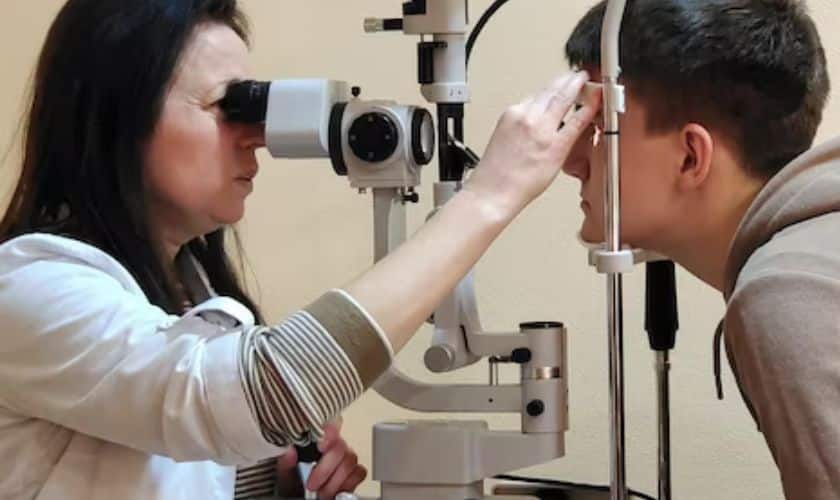
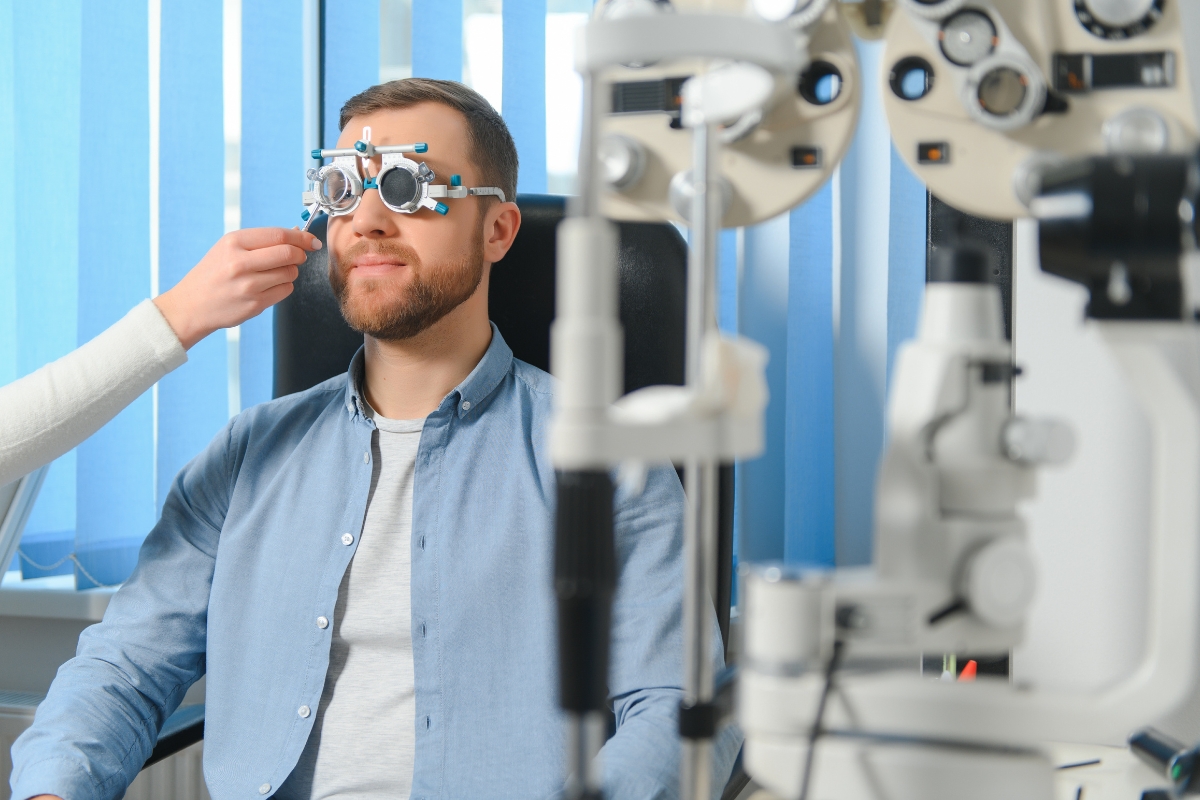
An eye examination can help identify possible causes of blurry vision. The assessments recommended will depend on your symptoms, medical history, examination findings, and how urgently you need care.
An evaluation may include:
- Visual acuity testing: Measures how clearly you can see at different distances.
- Refraction testing: Assesses whether a prescription for glasses or contact lenses may improve your vision.
- Eye pressure measurement: Measures pressure inside the eye and can help assess certain glaucoma-related concerns.
- Examination of the eye’s structures: Allows the eye care professional to examine structures such as the cornea and lens for abnormalities.
- Retinal examination: Evaluates the back of the eye for changes that may affect vision.
Additional tests or a referral to an appropriate specialist may be necessary depending on the findings. For example, suspected retinal detachment or acute angle-closure glaucoma requires urgent assessment and treatment.
Do not delay emergency care while arranging a routine comprehensive eye examination if your symptoms suggest a sight-threatening condition.
What Should You Do if Your Vision Suddenly Becomes Blurry?
Your next steps should depend on how quickly your symptoms developed and whether you have other warning signs. The most important priority is to avoid delaying medical evaluation when a sudden change occurs.
If your vision becomes blurry suddenly, seek urgent medical evaluation. Do not wait for a scheduled appointment, assume that new glasses will resolve the problem, or rely on home remedies as a substitute for professional care.
If you wear contact lenses and experience irritation, remove them if you can do so safely. Avoid rubbing your eyes or putting unprescribed drops or other substances into them. Do not drive while your vision is impaired.
If your vision has become gradually less clear and you have no emergency symptoms, arrange an eye examination to identify the cause. Before your appointment, make a note of:
- When the blurriness started and whether it appeared suddenly or gradually
- Whether one eye or both eyes are affected
- Whether you have eye pain, redness, flashes, floaters, headaches, or light sensitivity
- Whether you wear glasses or contact lenses
- Whether you have diabetes or another relevant medical condition
Sharing these details can help your eye care professional understand your symptoms and determine the appropriate evaluation.
Remember that sudden, unexplained blurry vision deserves prompt medical assessment, even if your sight improves before you receive care.
Protect Your Vision With Professional Eye Care
Sudden blurry vision can result from several causes, ranging from dry eyes and prescription changes to conditions that may threaten sight. Paying attention to symptoms, recognizing emergency warning signs, and seeking appropriate care can help prevent delays in diagnosis and treatment.
Scottsdale Eyeology provides comprehensive eye care services for people seeking help with vision and eye health concerns. If your vision has gradually become less clear and you have no emergency symptoms, contact the practice to discuss an appropriate evaluation. If your vision changes suddenly, seek urgent medical attention first rather than waiting for a routine appointment.
Concerned about a change in your vision? Contact Scottsdale Eyeology to learn more about its eye care services and schedule an appropriate appointment. Taking vision changes seriously is an important step toward protecting your eye health.
Frequently Asked Questions
1. Why is my vision suddenly blurry?
Sudden blurry vision can be associated with dry eyes, changes in blood sugar, inflammation, or other eye conditions. However, it can also indicate a retinal problem, acute angle-closure glaucoma, or another medical emergency. Seek urgent medical evaluation for any unexplained sudden change in vision.
2. Should I see an eye doctor for sudden blurry vision?
Yes. Sudden blurry vision requires urgent medical evaluation, even if it improves. Seek emergency care immediately if it occurs with severe eye pain, sudden vision loss, new flashes or floaters, a curtain-like shadow, or neurological symptoms such as weakness or difficulty speaking.
3. Can dry eyes cause blurry vision?
Yes. Dry eyes can cause fluctuating or hazy vision when the tear film does not adequately lubricate the eye’s surface. Other symptoms may include burning, redness, irritation, and a gritty sensation. If symptoms persist, arrange an eye examination. Do not assume that sudden blurry vision is caused by dry eyes.
4. Can high blood sugar cause sudden blurry vision?
Yes. Changes in blood sugar can temporarily affect the eye’s ability to focus, and diabetes can damage the blood vessels in the retina. However, sudden blurry vision should not automatically be attributed to blood sugar changes. Seek prompt medical evaluation, particularly if you have diabetes.
5. How can an eye doctor in Scottsdale help with blurry vision?
An eye doctor can assess your vision, examine your eyes, and recommend appropriate testing, treatment, or specialist referral based on the findings. Scottsdale Eyeology offers comprehensive eye care services in Scottsdale, Arizona. If your vision changes suddenly, seek urgent medical attention rather than waiting for a routine appointment.